
Troost MAX
Troost MAX travels from downtown to the Crossroads district, Hospital Hill and south along Troost to Bannister. Troost MAX offers local service south of 75th Street. Other major destinations include the East Village development (currently under construction), Discovery Center, UMKC Hospital Hill and Main Campus, Rockhurst University, The Landing, Truman Medical Center, and Children’s Mercy Hospital. Park and Rides are located at 31st & Troost, 95th & Troost, and the Bannister & Hillcrest area. Trail Connections are a vital part of Troost MAX: a future trail between Troost & Bannister will connect to the Trolley Track Trail near 87th & Garfield.
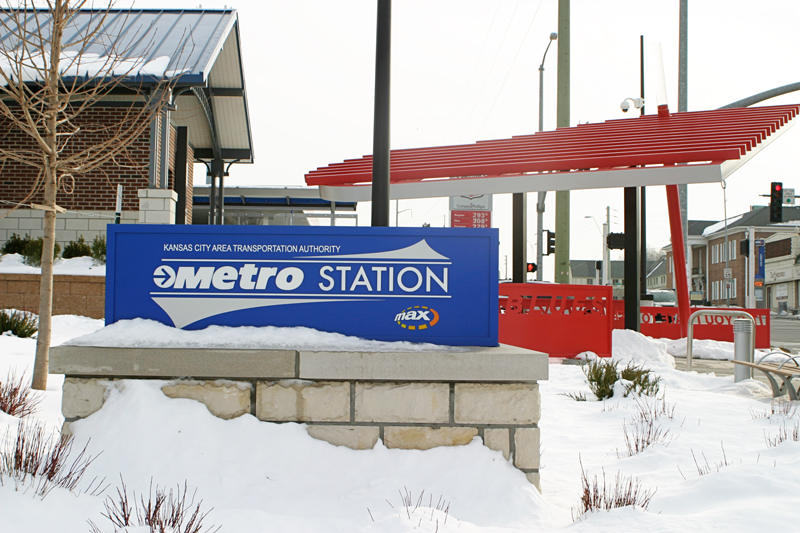
MAX stations are well-lit and feature a distinctive, easily identifiable information marker, and a specially designed passenger shelter. The stations are clearly marked and named, featuring easy-to-understand route maps and real-time transit information. Riders have instant and constantly updated access to the exact arrival time through GPS technology and real-time signs at MAX stations.
Troost MAX Artwork
For the first time, the Kansas City Area Transportation Authority has commissioned original public art at prominent locations along Troost MAX. Artists drew upon community input and local history to create interesting and compelling works.
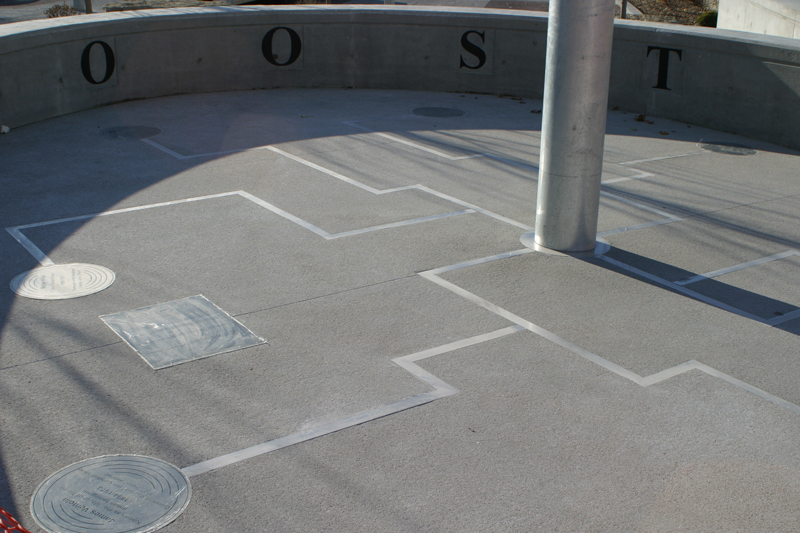
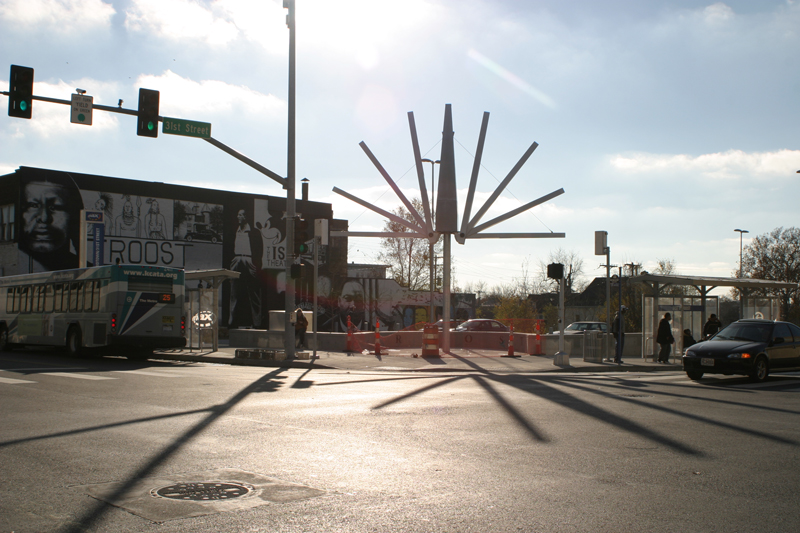
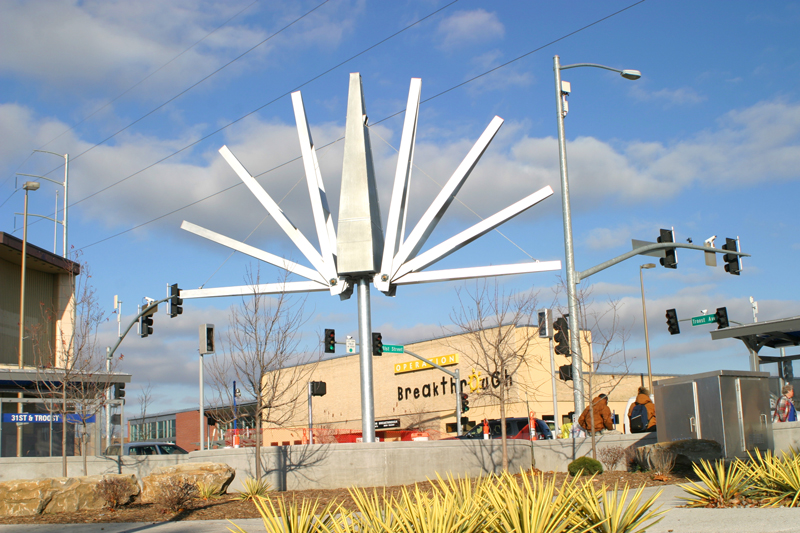
31st & Troost, “Catalyst,” Matt Dehaemers
This large-scale incorporates linguistic history in the structure’s design. Dehaemers designed the structure to resemble a tree, playing off one origin of the word “Troost,” which can mean tree. The motion of the structure results in a creation that is constantly in flux, much like the history of Troost. Dehaemers recently completed Seven Sentinels at the city’s vehicle impound facility. Nationally, he has been recognized by the Public Art Network’s Year in Review for four years in a row starting in 2004, and again in 2009. See a video of the sculpture in motion.
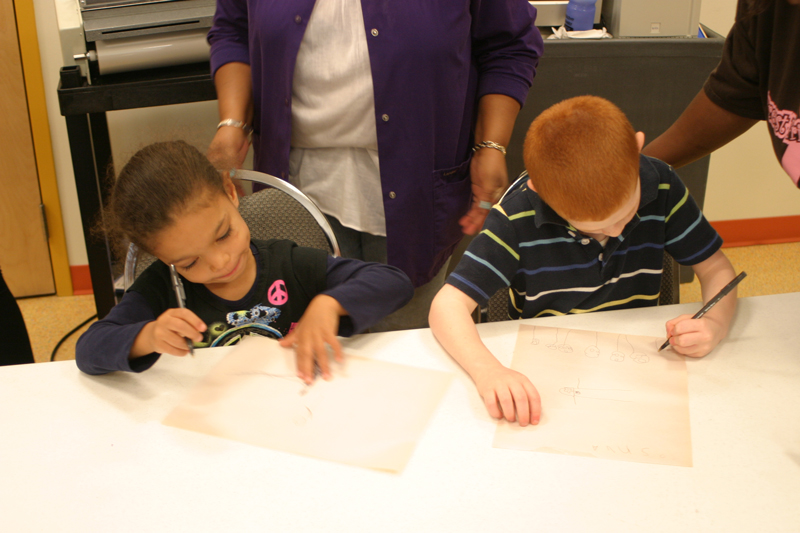
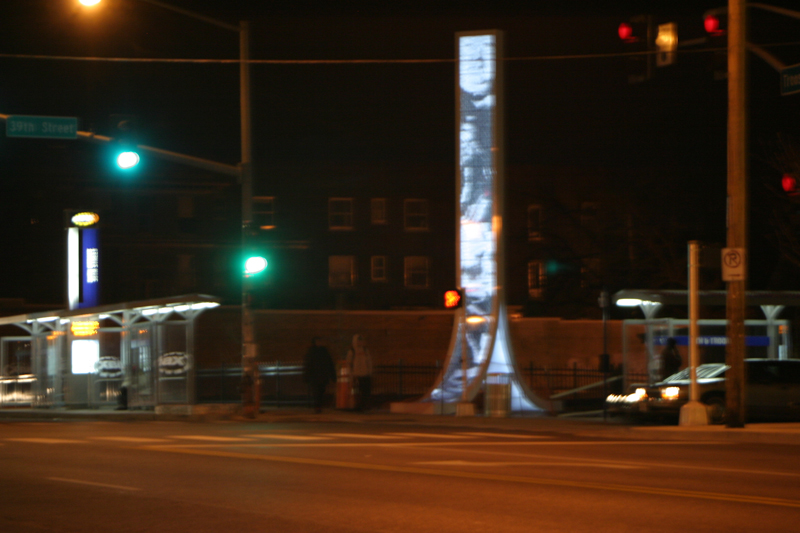
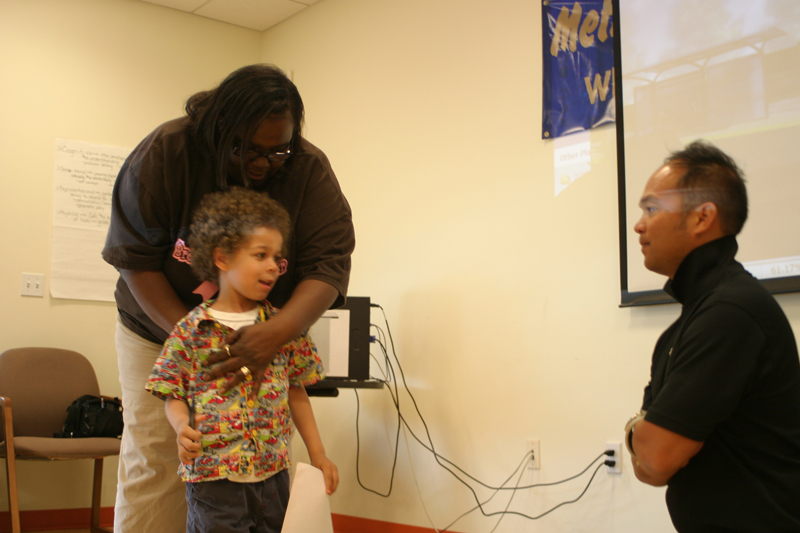
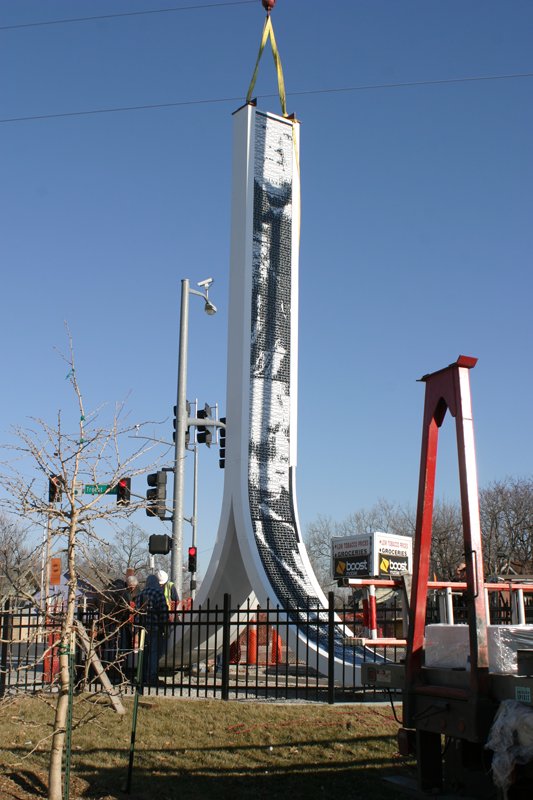
39th & Troost, “Unite," Jefrë
The Catholic Key covered the March 2011 dedication of Unite. Jefrë created a sculpture that draws on the image of hands coming together, evoking a joining together or way to cross a divide. The artist worked with area children, gathering drawings of what the children want to be when they grow up. These drawings of doctors, firefighters, engineers and other vocations are incorporated into the sculpture. Jefrë is an internationally acclaimed emerging public artist based in Miami who has received numerous awards for his innovative designs. After ten years working with international design firms, Jefrë launched his own couture public art studio in 2008 with a focus on environmental art, green roofs, boutique plazas, parks, and public art master plans. In his first year, he has been selected for six national blind public art competitions in New Orleans, Washington D.C., Toledo, Palm Beach, Orlando, and Philadelphia.
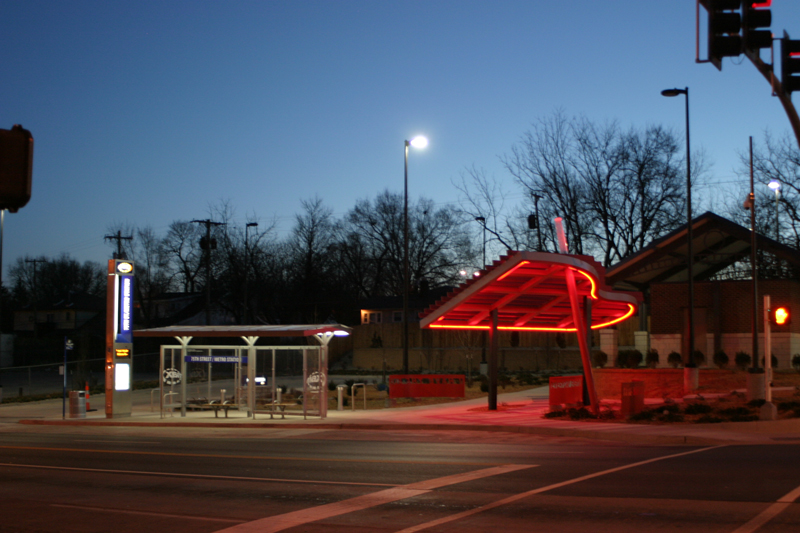
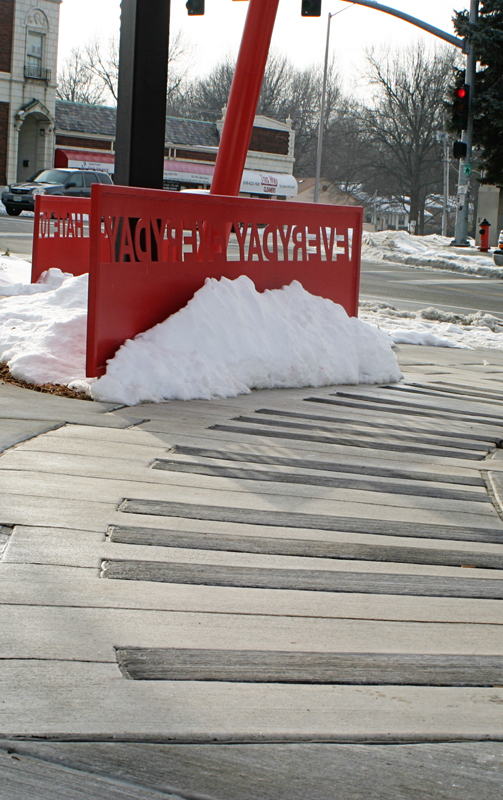
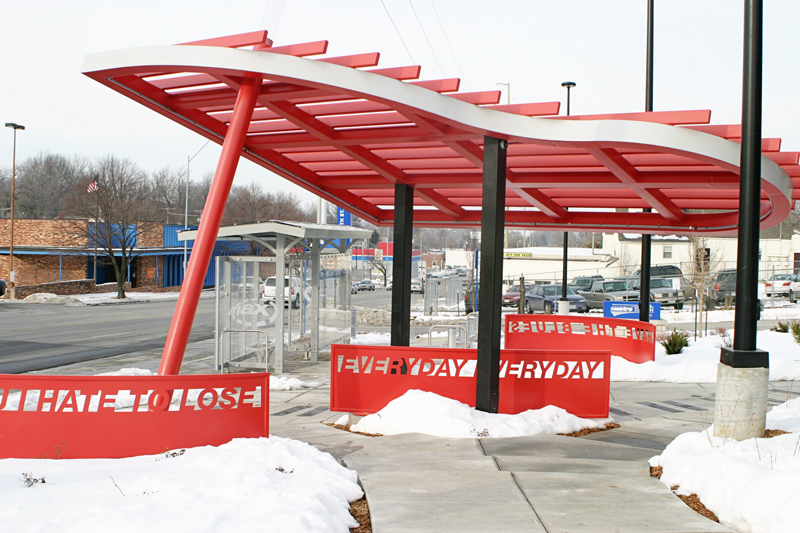
75th & Troost, “Every Day I Have the Blues,” David Dahlquist
This large-scale incorporates linguistic history in the structure’s design. Dehaemers designed the structure to resemble a tree, playing off one origin of the word “Troost,” which can mean tree. The motion of the structure results in a creation that is constantly in flux, much like the history of Troost. Dehaemers recently completed Seven Sentinels at the city’s vehicle impound facility. Nationally, he has been recognized by the Public Art Network’s Year in Review for four years in a row starting in 2004, and again in 2009. See a video of the sculpture in motion.
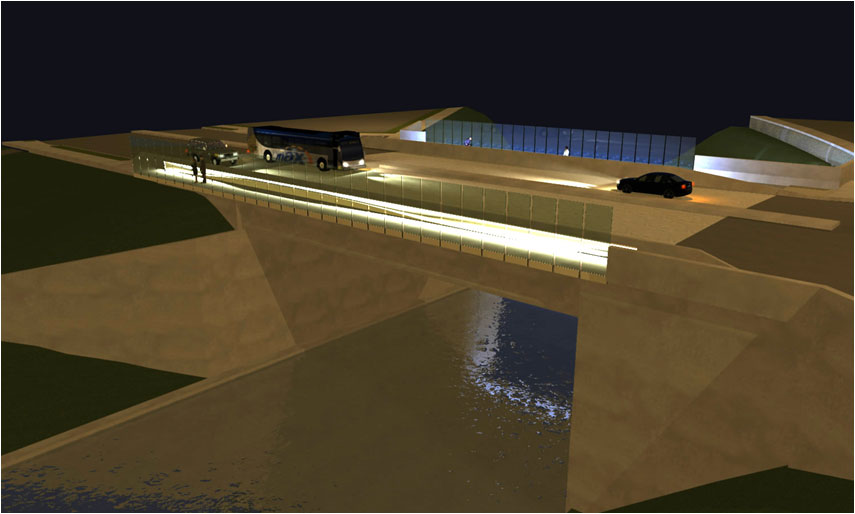
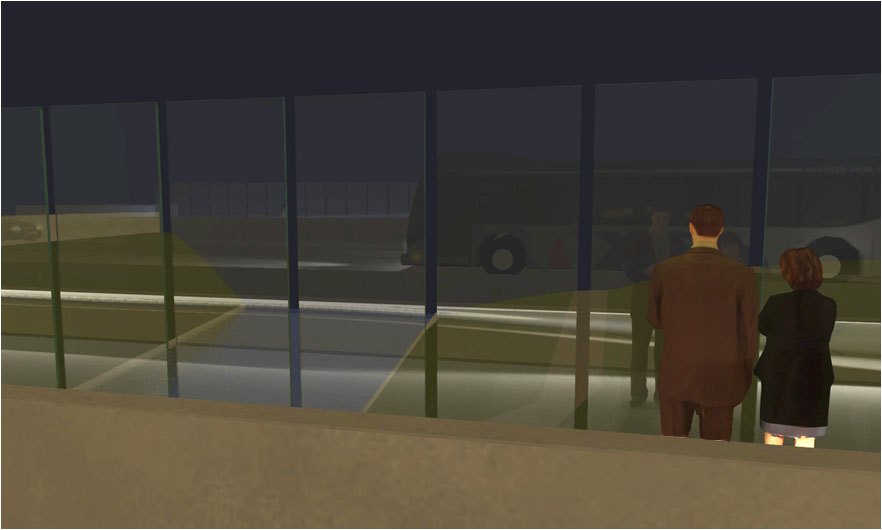
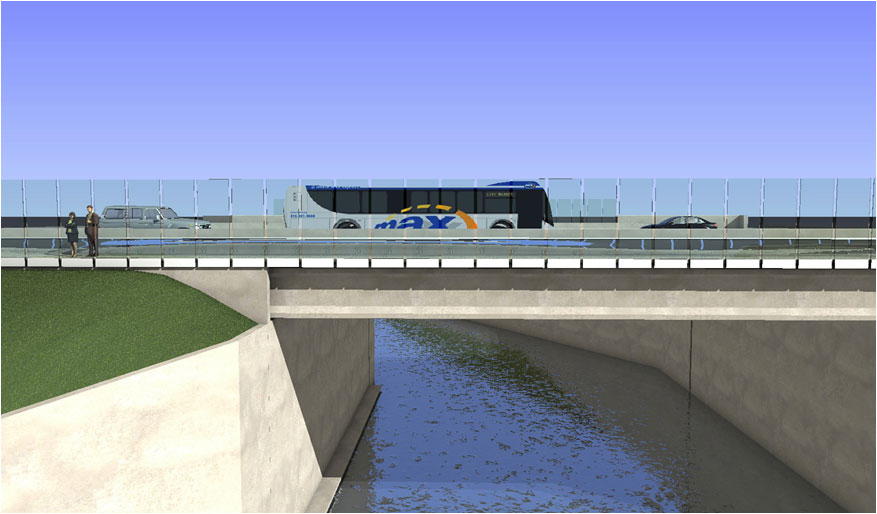
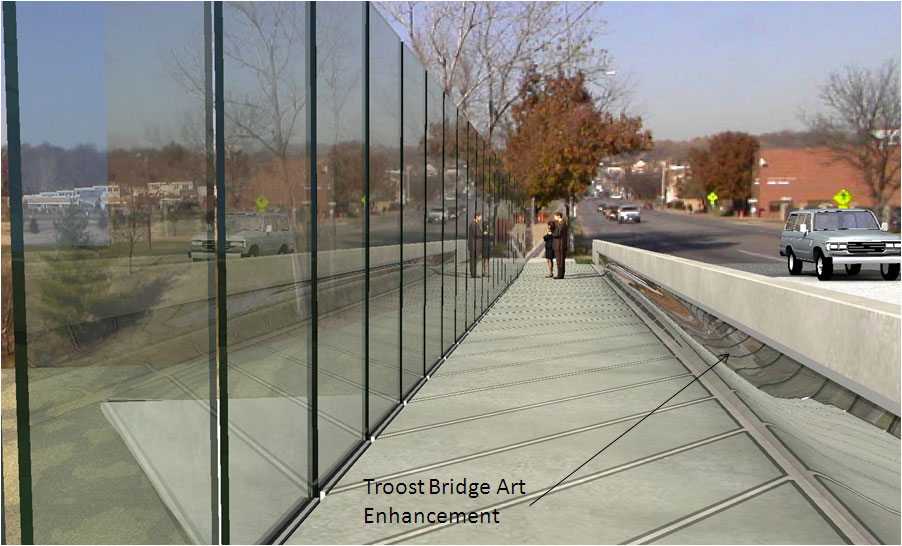
The Troost Bridge
The new bridge over Brush Creek is a project of the City of Kansas City, Mo. On the pedestrian walkway of the bridge, a series of polished stainless steel of panels reflect light throughout the pedestrian walkways on the bridge. The panels will evoke the movement of the water flowing under the bridge, as well as the motion of the pedestrian, bicycle and transit traffic across the bridge. See drawings of the bridge: View from the pedestrian walkway Side view of the Troost Bridge at daytime View of the reflective glass wall at nighttime Side view of the Troost Bridge at nighttime
Green Technology
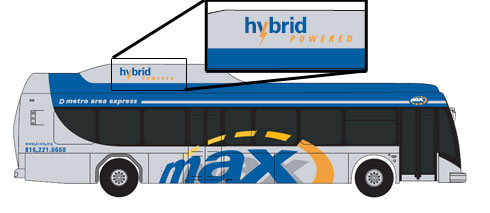
Troost MAX incorporates green features and technologies. The MAX fleet includes five hybrid electric buses. Hybrid buses operate on battery power from start-up until a speed of 25 mph at which time a diesel engine supplies power and recharges the batteries. This action reduces nitrous oxide emissions and increases fuel economy by 10%-20%. Other green features at select stations and park-and-rides include:
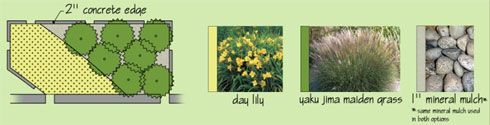
- Rain gardens at several MAX stations to capture and filter water run-off
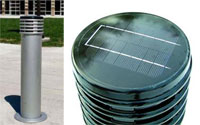
- Posts or bollards that include solar-powered lighting
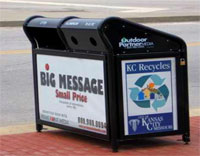
- Recycling receptacles
- Solar-powered trash compactors
- Pervious concrete that allows water to soak through to the subsoil, reducing the amount of polluted water that runs off of the pavement surface